
The Yu Difference
Our mission is simple: the finest organic green tea from Japan, in its most complete form. Every Yu tea is stone-milled from the whole leaf into a fine powder, so you drink the whole leaf, not just what steeps out of it, with the same flavor and quality in every cup.
-
Sourced From Japan
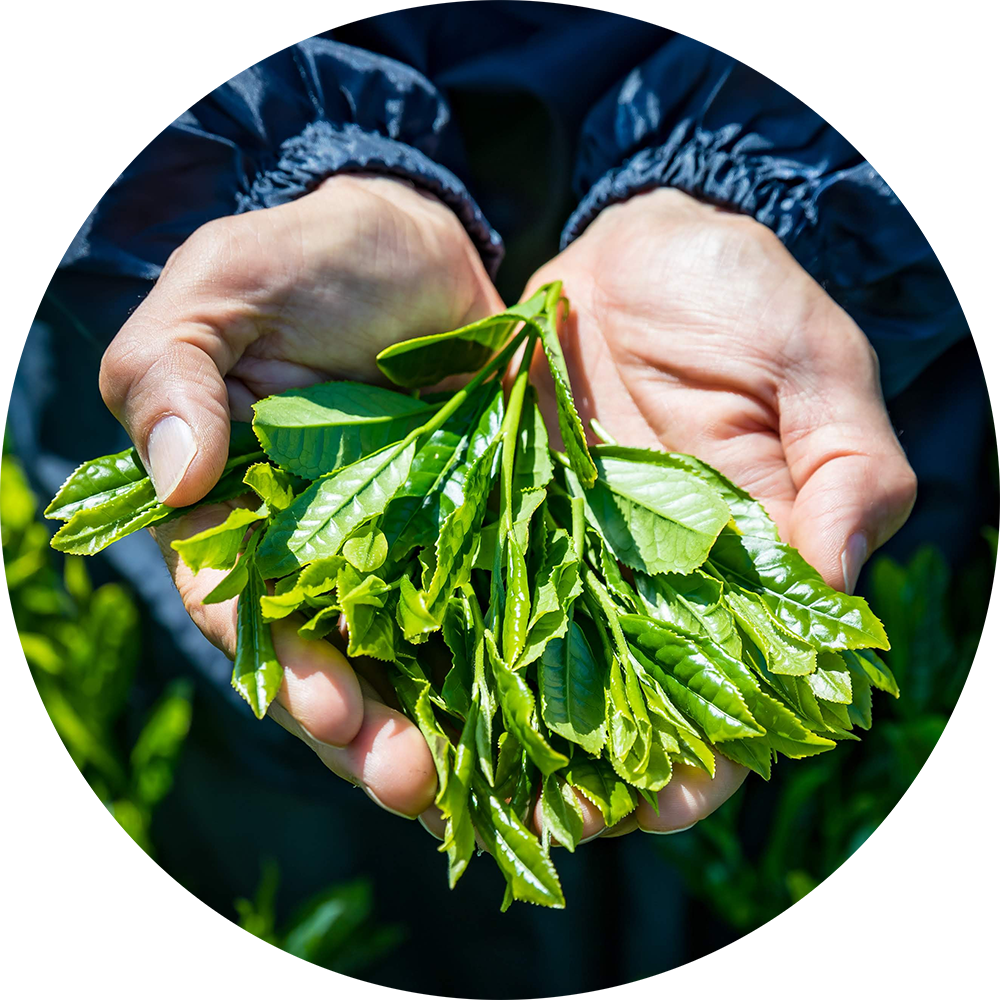
Our teas come from certified organic farms in Japan. We have visited most of them in person, and we carefully vet any farm we haven't visited yet.
Two Decades of Tea
We started Yu Tea as a small family venture in rural Oregon in 2004, and we have been making whole-leaf green tea powder ever since. Read how Yu Tea began.
-
-
Certified Quality
All of our teas are certified organic, and every batch is tested by an independent, accredited third-party lab.
A Daily Ritual
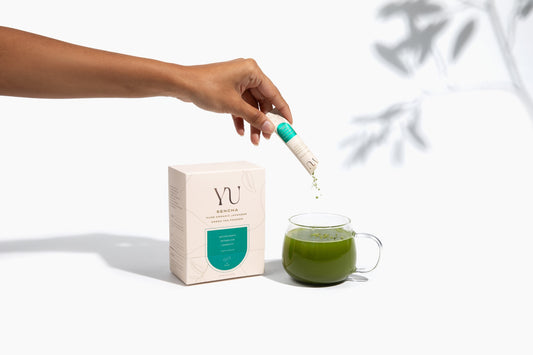
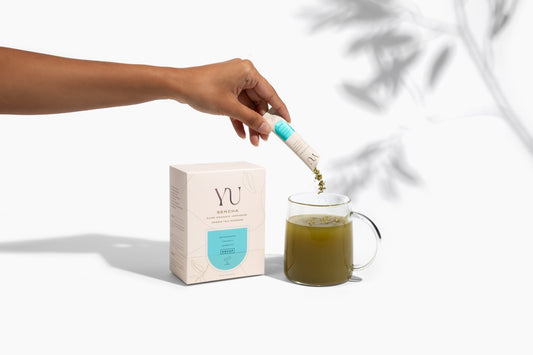
Whisking a cup is a simple way to pause, whether it's a bright matcha in the morning or a decaf in the evening.


Our Best Sellers

Trusted reviews from our customers
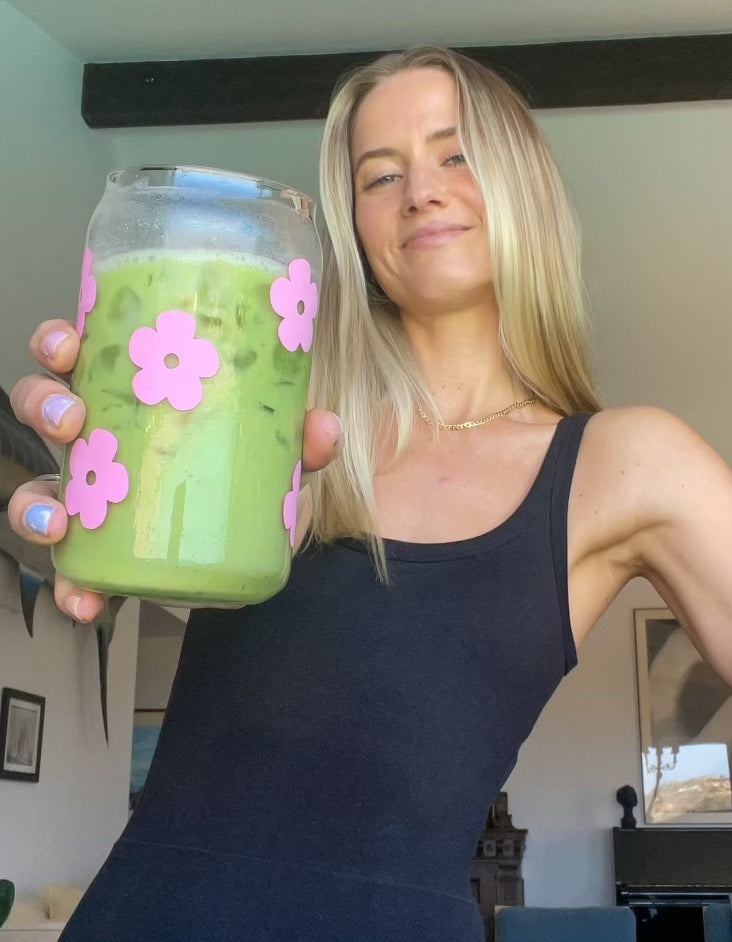
"I credit matcha for a huge boost in my quality of life... I literally don’t leave home without it."
– Jennifer, OR
"Yu Tea has really changed my life for the better."
– Francis, IL
"LOVE the decaf green tea!!!!!
I have been buying and drinking it for years. It tastes great and I love the health benefits."
– LT, CO
Whole-Leaf Green Tea, Morning to Night
Calm Energy
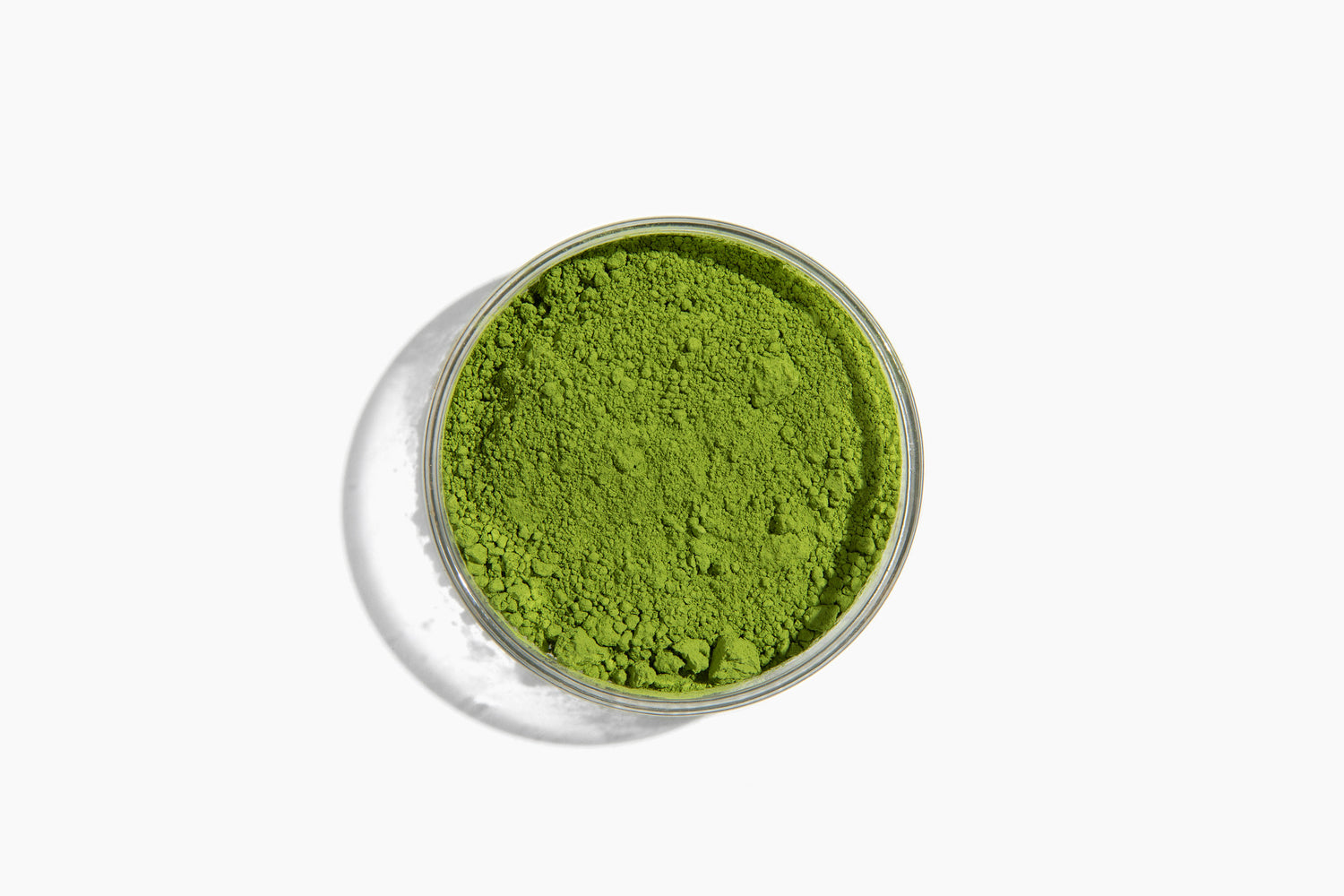
Green tea pairs caffeine with L-theanine, an amino acid found almost only in tea. Together they give the calm, steady alertness green tea is known for, without the jittery edge some people get from coffee. Here is how much caffeine is in each of our teas.
Catechins and EGCG
Catechins are the plant compounds green tea is best known for, and EGCG is the most studied of them. A serving of our Ceremonial Grade A matcha has about 185 mg of catechins, including about 122 mg of EGCG (from our most recent batch testing; results vary by lot and packaging).
The Whole Leaf
When you steep tea, most of the leaf is thrown away. Our teas are stone-milled from the whole leaf, so everything the leaf holds ends up in your cup, including what water alone can't draw out.
Morning Energy
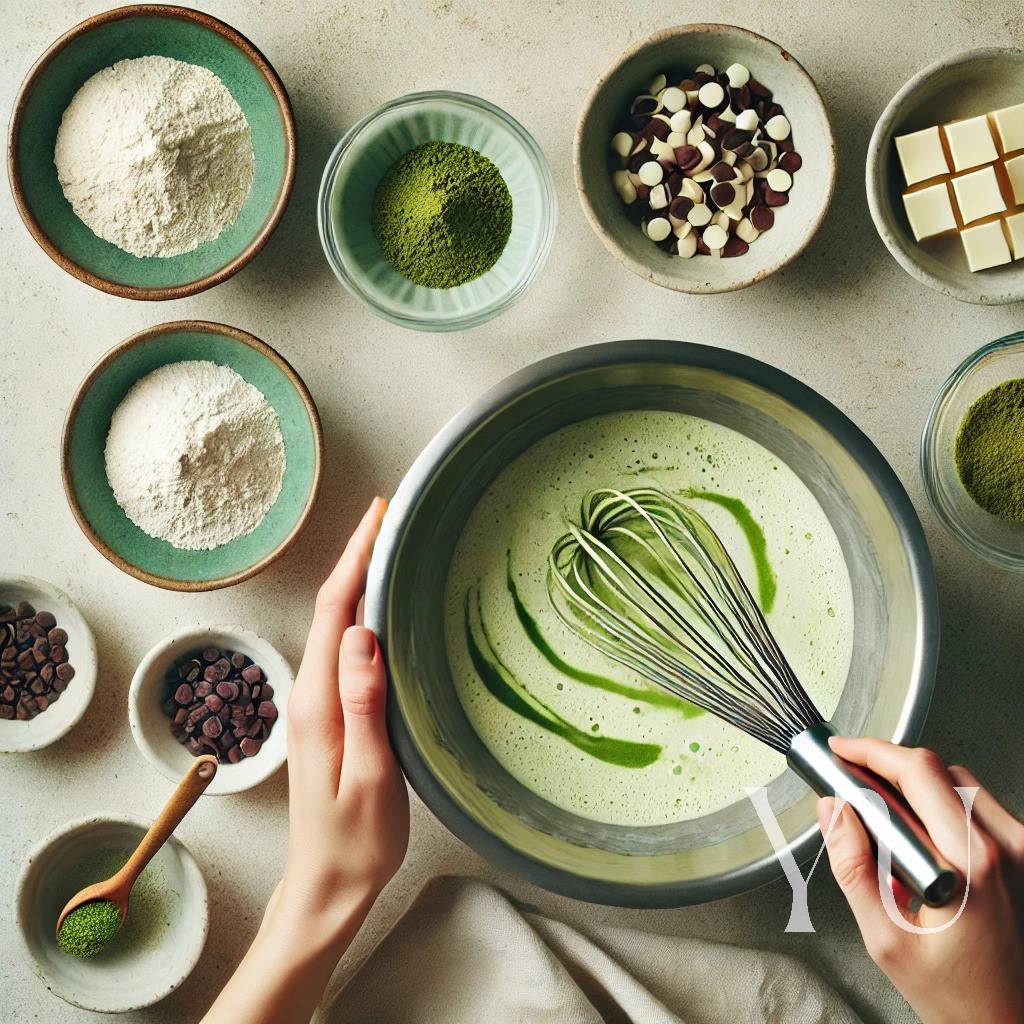
Start the day with matcha or sencha, with about 41 mg and about 15 mg of caffeine a serving, plus L-theanine for a steady lift.
Afternoon Lift
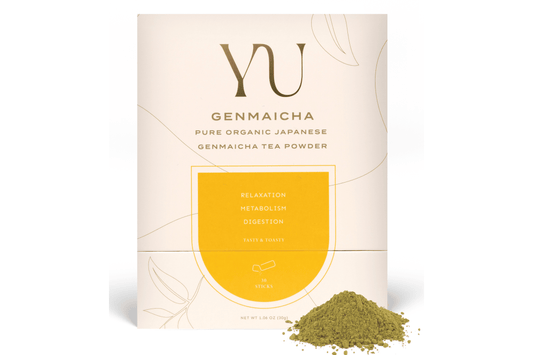
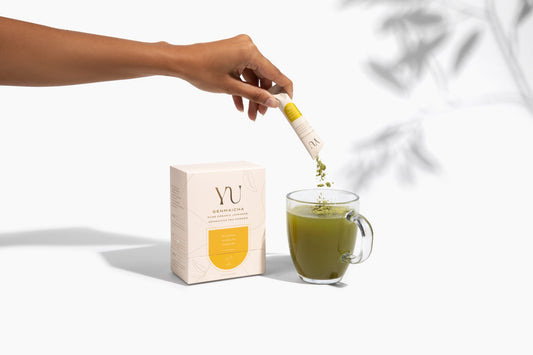
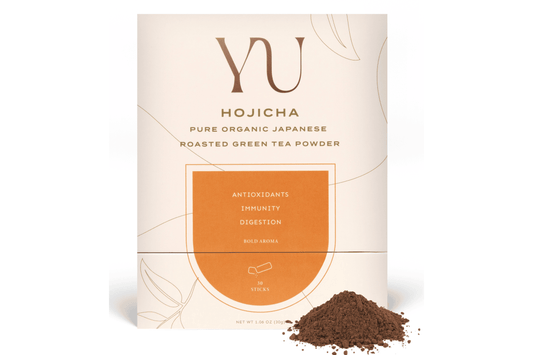
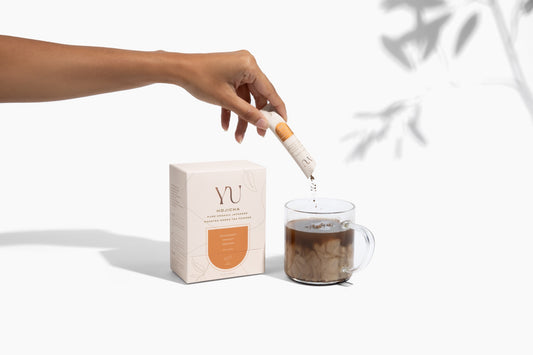
Bright sencha, toasty hojicha and nutty genmaicha all have less caffeine than our matcha, so you can enjoy a warm cup and still wind down later.
Evening Calm
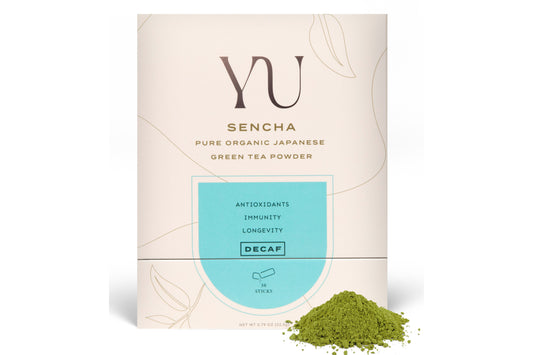
Our decaf matcha and decaf sencha have about 4 to 6 mg of caffeine a serving, and genmaicha about 5 mg, for a cup after dinner. All caffeine figures are from our most recent batch testing; results vary by lot and packaging.
From Our Community
Japan's Finest Teas, Delivered Directly to Your Doorstep


Tea Insights
-
Best Matcha Grades
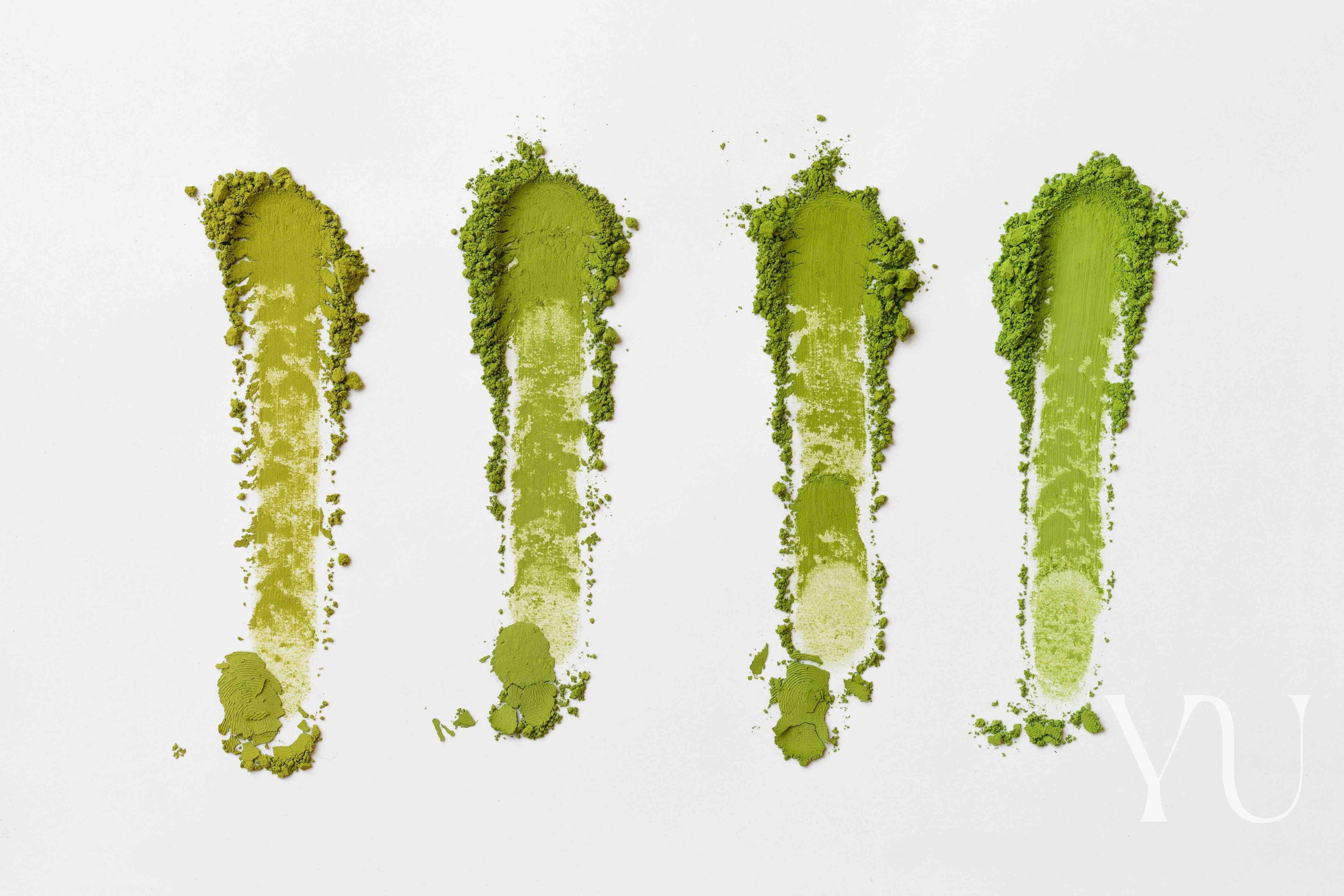
Ceremonial, everyday and culinary matcha differ in taste, color and best use. Ceremonial is the highest grade, made to drink on its own; culinary is made for cooking and baking; everyday sits in between.
-
Benefits of Green Tea
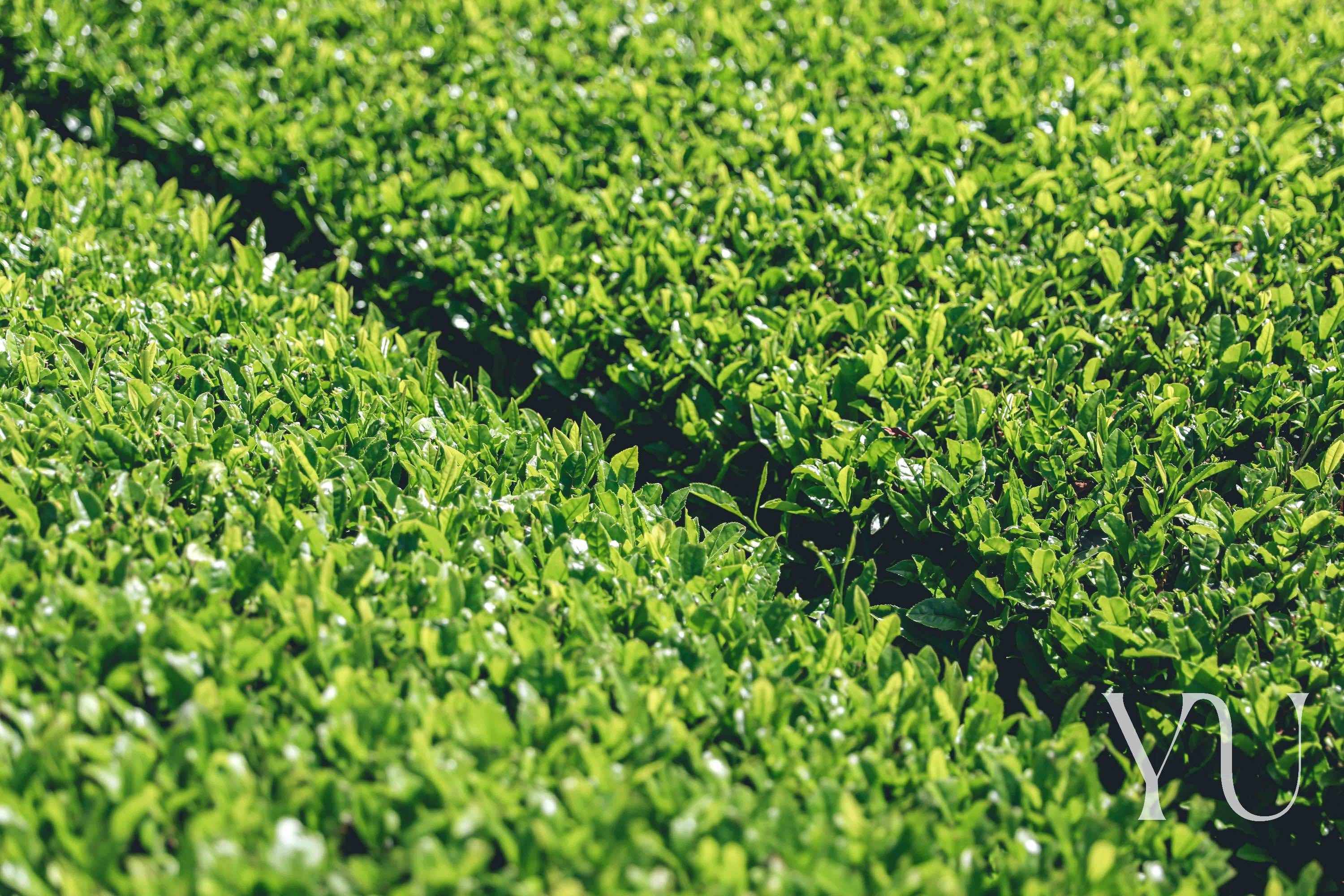
What is in green tea, from catechins and EGCG to L-theanine and caffeine, and what the research does and doesn't show so far, plus how matcha, sencha, hojicha and gyokuro compare.
-
Decaf Matcha Guide
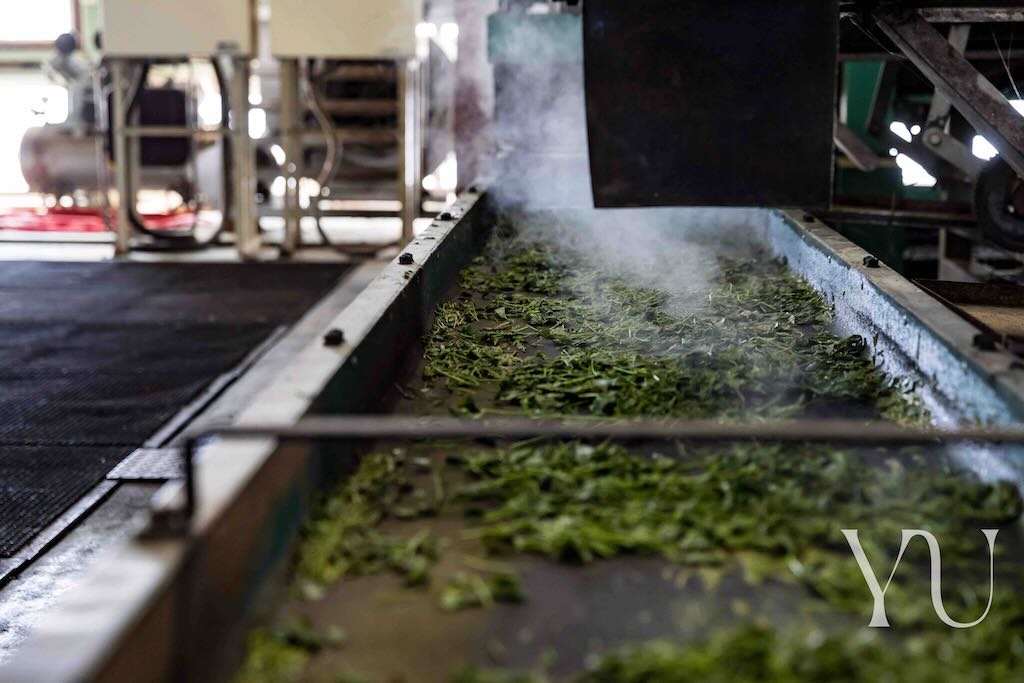
Does decaf matcha exist? Yes. Ours starts as the same shade-grown tencha as our regular matcha, is decaffeinated with water and CO₂ while the leaf is still whole, and tests at about 6 mg of caffeine a serving while keeping 86% of its EGCG and most of its L-theanine (from our most recent batch testing; results vary by lot and packaging).
